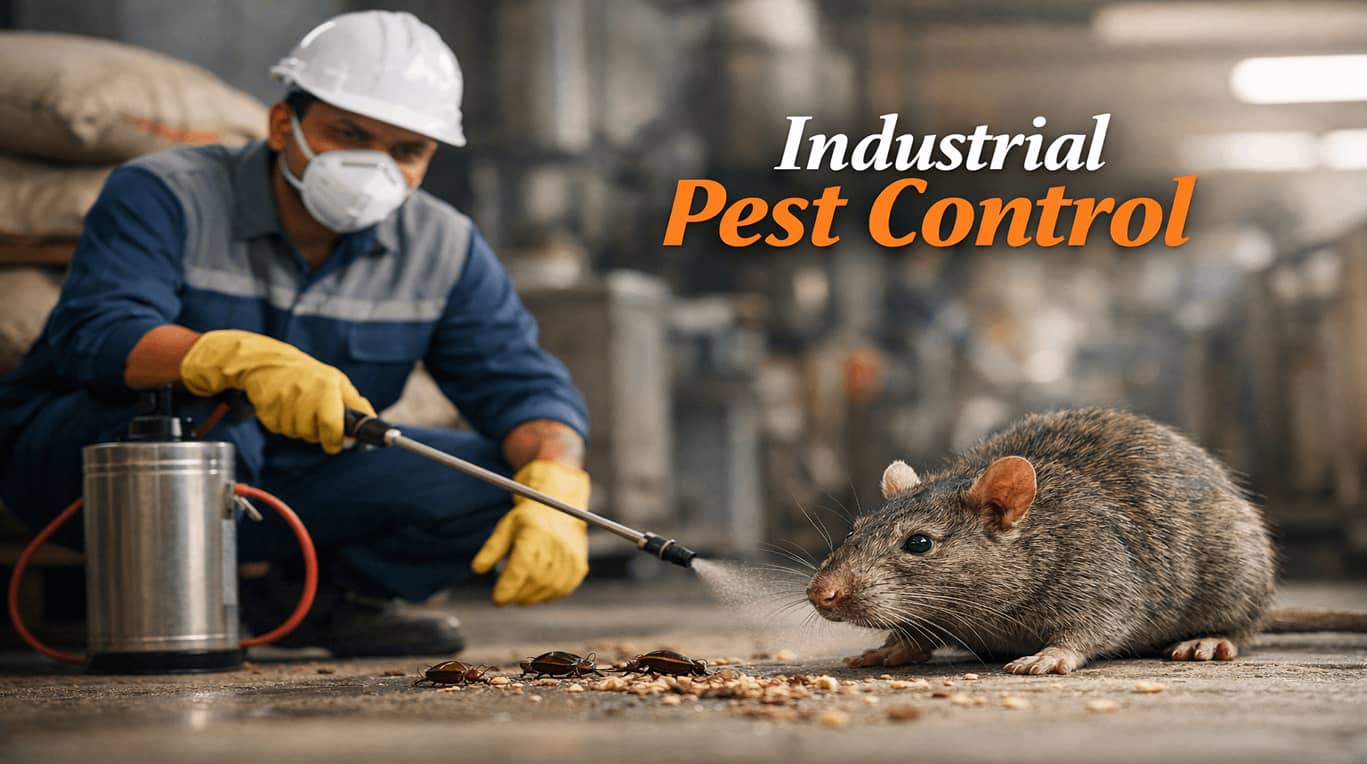
Industrial pest control is no longer an optional service for businesses operating in India. With rapid urbanisation, dense infrastructure, and a tropical climate that supports year-round pest breeding, industrial facilities face constant threats from insects and rodents. From contamination risks in food units to equipment damage in factories, pest infestations can disrupt operations, harm reputations, and lead to regulatory penalties. Professional intervention is the only sustainable way to maintain hygiene, safety, and uninterrupted productivity in industrial environments.
Urja Facility delivers structured and affordable industrial pest control solutions designed specifically for Indian conditions. With over fifteen years of experience, we support offices, IT parks, hospitals, schools, hotels, warehouses, and factories by ensuring hygiene compliance, minimal downtime, and complete peace of mind. Our approach combines technical expertise, local pest behaviour knowledge, and industry-compliant treatment methods that protect both people and infrastructure.
What Is Industrial Pest Control?
Industrial pest control refers to specialised pest prevention and eradication solutions developed for large-scale industrial premises. Unlike residential treatments, these services focus on high-risk zones such as production floors, storage areas, drainage systems, electrical rooms, and exterior perimeters. Industrial pest control services are designed to handle complex layouts, continuous operations, and strict safety regulations without interrupting daily business activities.
In India, industries operate under increasing scrutiny from health authorities, auditors, and clients. Effective industrial pest management helps businesses meet hygiene standards while safeguarding employees and assets. It is not a one-time treatment but a structured process that includes inspection, treatment, monitoring, and preventive maintenance. When implemented correctly, it creates a pest-free environment that supports long-term operational stability.
Importance of Professional Industrial Pest Management
Professional industrial pest management focuses on eliminating existing infestations while preventing future outbreaks. Untrained or ad hoc pest control often addresses only visible pests, leaving nests and breeding points untouched. This results in recurring problems, higher costs, and operational risks. A systematic pest management program identifies root causes, entry points, and environmental factors that allow pests to thrive.
In industrial environments, even minor infestations can escalate quickly. Rodents can damage wiring and machinery, termites can weaken structures, and insects can contaminate products. Professional pest management uses planned schedules, safe chemicals, and advanced tools to ensure effective control without affecting workflow. It also supports compliance with ISO, FSSAI, and internal audit requirements, making it an essential investment rather than an expense.
Common Pest Problems We Handle in Indian Industrial Facilities
India’s climate supports rapid pest breeding, making professional intervention essential. Our treatments address both visible pests and hidden infestations that often go unnoticed.
- Cockroach infestations that contaminate food areas, pantries, and washrooms while spreading bacteria across surfaces
- Termite damage affects wooden structures, pallets, furniture, and even critical building frameworks
- Rodent activity is causing damage to electrical wiring, inventory losses, fire hazards, and serious hygiene concerns
- Mosquito breeding occurs in stagnant water zones, drains, and open areas, requiring effective industrial mosquito control solutions
- Ants and crawling insects are invading storage areas, packaging units, and workstations
- Bed bug problems in labour accommodations and rest zones, where specialised industrial bed bug treatment is required
Each pest presents unique risks depending on the industry. Our targeted approach ensures pests are controlled at the source rather than temporarily driven away.
Our Industrial Pest Control Services
Our industrial pest control services are designed to adapt to different industries, building types, and operational needs. We understand that factories, hospitals, IT parks, and warehouses cannot afford shutdowns or safety compromises. Our solutions are carefully planned to ensure minimal disruption while delivering long-lasting results.
We use industry-approved chemicals, modern equipment, and scientifically proven techniques to handle insects, rodents, and flying pests. Treatments are scheduled at convenient times and executed with strict safety protocols. Preventive measures such as sealing entry points, improving sanitation practices, and educating on-site teams are also integrated into our service model. This holistic approach ensures consistent protection and reduced infestation risks over time.
How Our Industrial Pest Control Services Work
- Detailed Inspection & Risk Evaluation: Every service begins with a comprehensive site inspection to assess infestation levels, identify nesting areas, and locate pest entry points across the facility.
- Customised Treatment Strategy: Based on inspection findings, we develop a targeted solution using the most suitable pest control methods for the specific industry, property layout, and pest type.
- Precision Treatment Application: Our trained professionals apply treatments using advanced tools and safe chemical pest control techniques to ensure effective and long-lasting results.
- After-Service Guidance & Monitoring: Post-treatment support includes preventive recommendations, scheduled follow-ups, and monitoring to minimise the risk of future infestations.
This structured workflow ensures transparency, accountability, and measurable outcomes for every client.
Industrial Mosquito Control for Safer Work Environments
Mosquitoes are not just a nuisance but a serious health risk in industrial zones, especially where water storage, open drains, or cooling systems are present. Effective industrial mosquito control is essential to protect employees from vector-borne diseases and to maintain a safe working environment. Our mosquito control programs focus on eliminating breeding grounds, applying targeted larvicidal treatments, and implementing preventive strategies that reduce long-term risks.
By controlling mosquito populations proactively, businesses can reduce absenteeism, improve employee morale, and demonstrate a strong commitment to workplace health and safety. This is particularly important for factories, warehouses, and institutional campuses with large outdoor areas.
Why Choose Urja Facility for Industrial Pest Control?
Urja Facility delivers comprehensive integrated pest management solutions specifically designed for industrial environments. By combining strong local expertise with nationally accepted pest control practices, we understand regional pest behaviour while applying standardised protocols that ensure consistent and effective results across industries.
Our industrial pest control approach is built on integrated pest management programs that use eco-friendly treatment solutions and advanced pest control techniques. These methods focus on long-term prevention rather than short-term relief, helping industries maintain safe, hygienic, and compliant environments.
Key elements of our industrial pest control solutions include:
- Integrated pest management programs for complete pest prevention
- Eco-friendly and safe treatment solutions
- Regular monitoring and inspection of industrial facilities
- Preventive pest control measures to reduce infestation risks
- Customised treatment plans based on industry type and site conditions
All services are carried out by certified and experienced technicians trained to handle complex industrial environments responsibly. Safety is central to our service philosophy, with strict adherence to health, hygiene, and operational safety standards.
We offer annual maintenance contracts for pest control services, ensuring continuous protection, scheduled inspections, and long-term pest management throughout the year. These contracts help industries remain audit-ready and prevent unexpected infestations.
Beyond pest control, Urja Facility provides integrated facility management support, including mechanised housekeeping services and landscaping services, allowing organisations to manage multiple facility needs under one trusted partner.
Long-Term Benefits of Professional Industrial Pest Control
Investing in professional industrial pest control delivers measurable long-term benefits. Facilities remain cleaner, safer, and more compliant with regulatory standards. The risk of costly damage to infrastructure, machinery, and inventory is significantly reduced. Employees work in healthier environments, and businesses avoid reputational harm caused by pest-related incidents.
With a structured pest management plan in place, organisations can focus on growth and operations without recurring pest concerns. Urja Facility’s commitment to professionalism, punctuality, and peace of mind ensures that industrial spaces across India remain protected, hygienic, and fully operational throughout the year.
Final Thoughts
Industrial pest control is essential for maintaining hygiene, safety, and uninterrupted operations in India’s industrial environments. Unmanaged pest issues can lead to health risks, asset damage, and compliance failures. With structured processes, trained professionals, and safety-focused methods, Urja Facility delivers reliable and affordable pest control solutions tailored to industrial needs. Our approach ensures long-term protection, minimal disruption, and complete peace of mind for businesses seeking a consistently clean, compliant, and pest-free workplace.
Contact us today to schedule your industrial pest control inspection and consultation.
FAQs
1. What is industrial pest control?
Industrial pest control involves professional methods to eliminate and prevent pests in factories, warehouses, plants, and large facilities. It focuses on high-risk areas, safety standards, compliance requirements, and long-term prevention rather than short-term or surface-level pest treatments.
2. Why is industrial pest control important in India?
India’s climate encourages rapid pest breeding, increasing risks to hygiene, safety, and infrastructure. Industrial pest control helps facilities prevent contamination, protect machinery, meet regulatory standards, and maintain uninterrupted operations across industrial environments.
3. Which facilities require industrial pest control services?
Factories, warehouses, food processing units, pharmaceutical plants, hospitals, IT parks, hotels, schools, and logistics facilities require industrial pest control to manage infestation risks, maintain hygiene, and protect assets and operational continuity.
4. How often should industrial pest control be done?
The frequency depends on facility size, pest risk, and industry type. Most industrial sites require monthly or quarterly treatments with routine inspections to prevent infestations, monitor pest activity, and maintain long-term hygiene standards.
5. Is industrial pest control safe for employees?
Yes, industrial pest control uses approved chemicals and controlled application methods. Treatments are carefully planned to minimise exposure, ensure employee safety, and effectively eliminate pests without disrupting daily industrial operations.
6. Will industrial pest control affect daily operations?
Professional industrial pest control is designed to minimise disruption. Treatments are scheduled strategically and applied efficiently, allowing factories, warehouses, and facilities to continue operations without shutdowns or productivity loss.
7. What pests are commonly treated in industrial facilities?
Industrial pest control commonly targets cockroaches, termites, rodents, mosquitoes, ants, crawling insects, and bed bugs. These pests threaten hygiene, infrastructure, and employee safety, making professional treatment essential for industrial environments.